
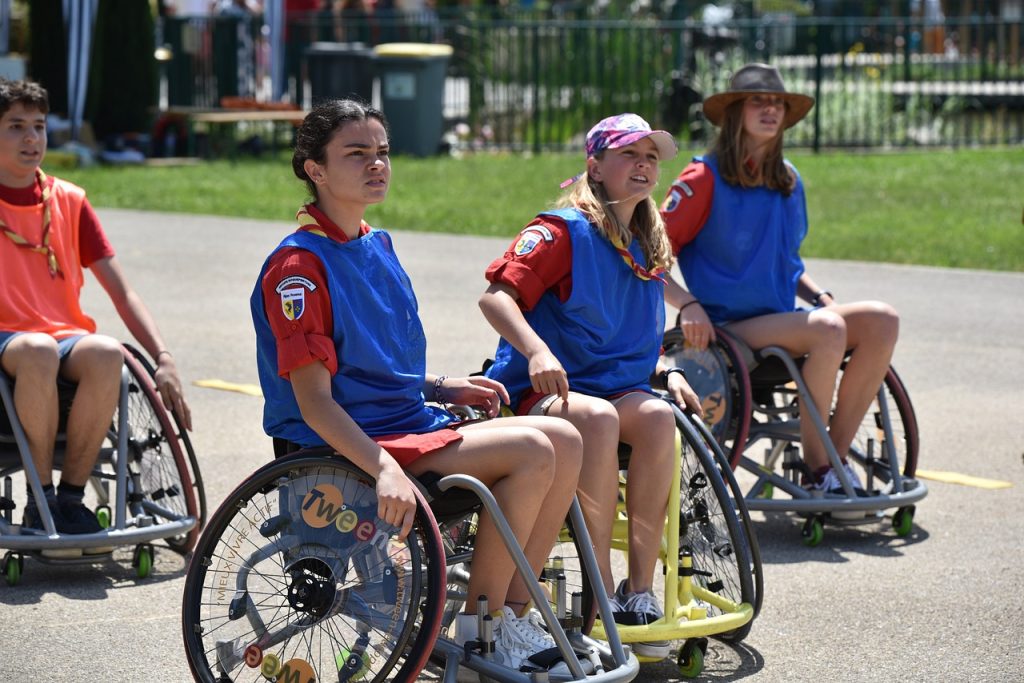
Learn how to become a support coordinator with our step-by-step guide. Discover the educational requirements, essential skills, and experience needed to excel in this role and support individuals in navigating the NDIS.
Becoming a support coordinator involves a combination of education, relevant experience, and skills development. Support coordinators play a crucial role in helping individuals navigate the National Disability Insurance Scheme (NDIS) and access the services they need. If you’re interested in pursuing a career in this field, here’s a step-by-step guide on how to become a support coordinator.
Before pursuing a career as a support coordinator, it’s essential to understand the role and responsibilities involved. Support coordinators assist NDIS participants in managing their plans, connecting with service providers, and coordinating support to achieve their goals. They need to have a thorough understanding of the NDIS framework, strong communication skills, and the ability to work closely with individuals with diverse needs.
Bachelor’s Degree in Social Work: Provides foundational knowledge in working with individuals and communities.
Bachelor’s Degree in Psychology: Offers insights into human behavior and mental health.
Certificate IV in Disability: Provides specific training related to disability support and services.
Experience working in the disability sector or a related field is crucial. Look for opportunities to work in roles such as:
Disability Support Worker: Gain hands-on experience in providing support to individuals with disabilities.
Case Manager: Develop skills in managing and coordinating support services.
Community Service Roles: Build experience in helping individuals access and manage services.
Successful support coordinators need a range of skills, including:
Some support coordinators may choose to obtain additional certifications or training to enhance their qualifications. Look for courses or workshops related to:
Once you have the necessary qualifications and experience, start applying for support coordinator positions. Look for job openings in:
The NDIS and disability sector are constantly evolving. Stay updated with changes in policies, practices, and best practices by:
Becoming a support coordinator involves a blend of education, experience, and skills development. By understanding the role, gaining relevant experience, and pursuing the necessary qualifications, you can embark on a rewarding career helping individuals navigate their NDIS plans and access the support they need. Stay committed to continuous learning and professional growth to excel in this essential role.
Fill out the form below, and we will be in touch shortly.